Self-Service Protocol

Create protocols without an on-site appointment via web link.

Guided workflow from link to final protocol – using your checklists, object data and templates, fully in the participant’s browser. You control the process and approve the result; the participant only works in the defined areas.

What is a Self-Service protocol?

Share, capture, sign – structured and traceable.

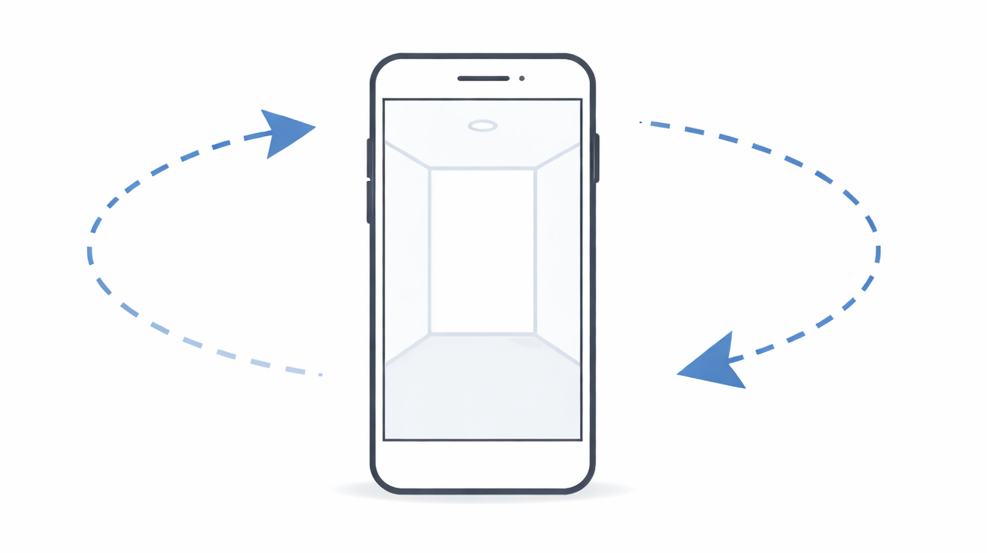
You create a protocol, select object and participant, and activate the self-service feature instead of filling everything yourself. The process is sent as a web link to the recipient. The participant opens the link in the browser and is guided step by step; progress can be saved and continued later. After import, the data is locked for traceability. You can add defects or text modules if needed and send the protocol for digital signature – for example via the Protocol Viewer on smartphone, tablet or PC.

Self-Service Protocol digitally – on site and traceable

Guided capture with photos and videos per area – traceable for everyone involved.

Who is Self-Service suitable for?

Ideal for workflows with many participants, recurring inspections, or when nobody can always be on site.

  • Apartment returns without appointment

    Tenants document condition, photos and meter readings themselves via web link. Management imports the data and creates the final return protocol.

  • Serviced apartments & holiday rentals

    Guests record inventory, damages or condition before departure directly in the browser. Operators save inspection appointments while keeping full documentation.

  • Maintenance and inspections in industrial facilities

    Employees or contractors document conditions, checks or work directly on site. Headquarters reviews the data and creates the official protocol.

  • Construction documentation by subcontractors

    Subcontractors record progress, defects or acceptance reports via link. Site management imports the data and creates the final report.

  • Vehicle handover and return without staff

    Drivers or customers document vehicle condition themselves. Photos and data are automatically transferred into the protocol.

  • Boat and yacht handover in charter operations

    Crew or customers record condition and equipment before takeover or return. Operators receive full documentation without personal appointment.

  • Technical checklists before operation or flight

    Technicians, pilots or operators complete checklists themselves. Data is reviewed centrally and transferred into the official report.

  • Machine and object inspection in agriculture

    Tenants or employees document condition of machines, buildings or land themselves. Owners receive full documentation without being on site.

Which protocols benefit most from Self-Service?

Ideal for protocols where participants can record data, photos or checklists themselves before the final document is created.

  • Handover and return protocols

    Tenants, drivers or users record condition, photos, keys and meter readings themselves. Data is imported and confirmed in the final protocol.

  • Damage and defect reports

    Damages are reported with photos and required fields in a structured way. No more unstructured emails or messenger messages.

  • Inspection and condition reports

    Supervisors, employees or subcontractors record condition on site. Responsible person reviews and completes the final protocol.

  • Cleaning and maintenance reports

    Service providers document completed work, checklists and photos directly in the browser. Documentation can be reviewed later.

  • Meter reading and consumption reports

    Participants record meter readings themselves with photo proof. Values are automatically transferred into the protocol.

  • Safety and inspection reports

    Checklists, inspections or safety checks can be recorded on site before the official report is created.

  • Preparation for expert reports

    Photos and information are collected in advance so experts can create the final report faster.

  • Custom protocol types

    Any custom protocol type such as inspections, inventory checks, construction reports or internal documentation can use self-service.

Why Self-Service is often the more efficient solution

Not every documentation requires an on-site appointment. Participants can capture data themselves while you keep full control.

  • No travel required

    Photos, data and checklists can be recorded by the participant. An additional on-site visit is often unnecessary.

  • Save time and costs

    Fewer appointments, less travel and less coordination. Especially with many objects or long distances, self-service pays off immediately.

  • Scalable for many processes

    Multiple inspections or returns can run in parallel without staff being on site at the same time.

  • Still complete documentation

    Photos, required fields and checklists ensure all necessary information is available before the final protocol.

  • Ideal for preparation steps

    Photos, meter readings or damage reports can be recorded in advance before the final protocol.

  • Control stays with the creator

    Data is imported, reviewed and only confirmed in the final protocol. Self-service saves effort but does not replace control.

Challenge: Information chaos without structure

Without guidance, photos are sent in chats, data in emails – and nothing fits cleanly into the protocol.

Traditional communication with external participants creates extra work. Data must be sorted, assigned and often entered again.

  • inconsistent image formats
  • missing or incorrect data
  • no assignment to rooms or checklist items
  • duplicate work across channels
  • difficult proof in disputes

How deep.rent structures Self-Service

You define which areas, meters and checklists must be completed. Participant data is imported into the protocol and locked. You can add defects or text modules before sending the protocol for digital signature.

Top 5 advantages of the Self-Service protocol

Share, capture, review and sign – structured and traceable.

  • Document without appointment

    Participants receive a secure link and record photos, data and checklists directly in the browser.

  • Save time and travel

    No scheduling, no unnecessary visits.

  • Your structure, your rules

    You define areas, checklists and required fields.

  • Control remains with the creator

    Data is reviewed before approval.

  • Complete protocol with signature and archive

    Final protocol is signed digitally and archived.

Frequently asked questions about Self-Service protocols

Do participants need an app?

No. Access is via secure web link in the browser on smartphone, tablet or PC.

Do I lose control over the protocol?

No. You review and approve the final protocol.

Can returns be done completely in self-service?

Yes. Participants can record condition themselves and you finalize the protocol.

Which protocol types work with self-service?

Handover, return, inspection, damage report, meter reading, maintenance and custom protocols.

How does the signature work?

The final protocol is sent for digital signature via link.

Is documentation archived?

Yes. All data, photos and signatures are stored in the protocol archive.

Can I control what participants can edit?

Yes. You define visible areas and fields.