
Tenancy handover protocol template for property managers
Software and app for move-in, move-out and inspection protocols – one standard across your portfolio.
Create the flat handover protocol PDF on site: templates by unit type, defect list at move-in, media per room and digital signature – archived for your mandate.



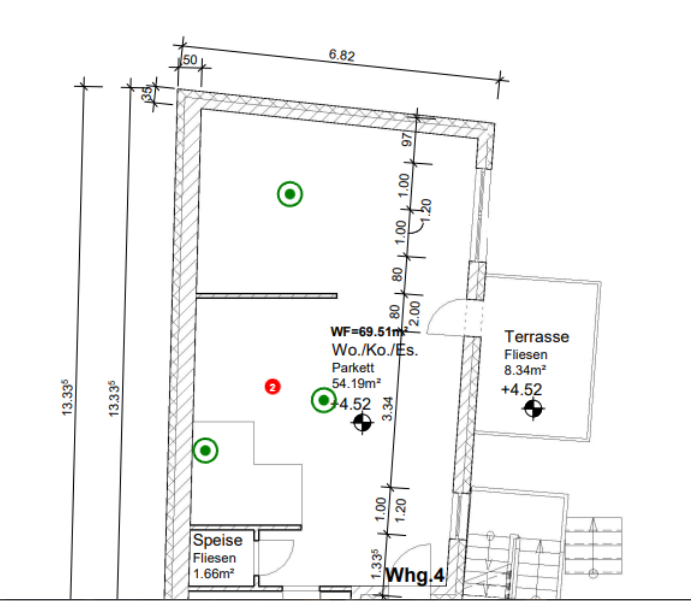
Why spreadsheets and ad-hoc PDFs stop working at scale
At 50, 200 or 1,000 units, one-off Word docs do not scale. Inconsistencies cost time and weaken deposit or damage claims.
Comparable handover protocol templates keep field staff interchangeable. deep.rent replaces scattered photo folders with guided capture – meters, keys and a defect list at move-in, mapped to rooms.
Protocol types property managers run regularly
Focused on occupied stock: move-in, move-out, inspection and evidence.
-
Handover protocol
Move-in and first occupancy: condition, keys, inventory – handover protocol PDF and archive.
-
Move-out / takeback protocol
Exit and takeback: compare to move-in, cleaning, damage – basis for deposit settlement.
-
Inspection protocol for property management
Building walkthroughs: stairwells, basement, plant rooms, outdoor areas – as a general protocol.
-
Meter reading report
Utilities with photo proof at every tenancy change.
-
Damage report
Defects and damage room-linked – for trades, insurance or owners.
-
Cleaning report
Document handover cleaning and checks of shared areas.
-
Safety report
Safety-relevant checks on site – stairwells, lighting, access points.
Typical tasks in property management
Day-to-day work with protocol, media and PDF—no media breaks between site and office.
-
Move-in for new tenants
Tenancy handover protocol template: meters, keys, inventory, existing defects, signature—per unit type.
-
Move-out and deposit review
Create a move-out protocol: compare to move-in, cleaning, damage—basis for deposit settlement.
-
Portfolio inspection rounds
Inspection protocol for property management: stairwells, basement, plant—checklist, photos, action list.
-
Document defects at flat handover
Record flat damage and handover damage documentation—with location, photo and priority.
-
Meter reading at handover
Electricity, water, heat, gas with photo—for utilities and flat handover protocol PDF.
-
Key handover and return
Count, type, missing keys—documented and confirmed by the tenant.
-
Prepare deposit settlement
Defects and line items from the move-out protocol—traceable for tenant and owner.
-
Rental acceptance protocol template
First occupancy or developer handover: sample checklists, defect list and handover to owner or first tenant.
Where property managers use digital protocols
Typical asset and mandate types.
-
Condominium associations (HOA / WEG-style)
Many units and shared areas—consistent protocols across the building.
-
Multi-family rental stock
Frequent turnover, comparable unit types, templates per building.
-
Commercial & mixed-use
Retail, office, practice: different checklists and extra utilities.
-
Scattered single units
Few doors per mandate—same evidence quality as a large portfolio.
-
Developer handover to manager
Rental acceptance protocol template after build: defect list and handover to owner or first tenant.
-
Student & short-stay housing
Many handovers per year: fast capture and archive per unit.
Handover protocol template and inspection protocol for property managers
With a tenancy handover protocol template, managers create the flat handover protocol PDF on site – including a defect list at move-in, meters and keys. The same flow covers the move-out protocol: condition and damage land room by room in the archive.
An inspection protocol for property management keeps walkthroughs comparable; software and app keep templates, signature and PDF in one flow – also for rental acceptance protocol templates and deposit evidence.