
Field capture that respects neutrality—and your methodology
Room logic, defects and imagery aligned before you draft conclusions.
Your opinion is only as solid as the intake. deep.rent keeps each finding anchored to place, time and media so opposing counsel cannot portray your file as an afterthought assembled in a hotel room.
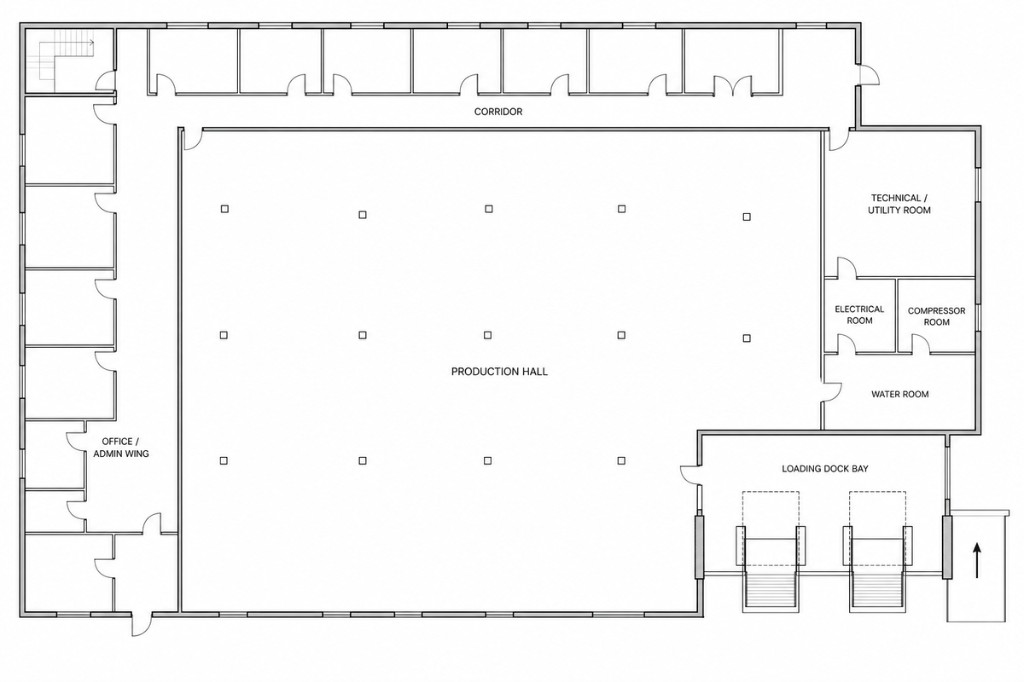
Method beats memory when instructions get hostile
Loose galleries, missing orientation photos and retroactive annotations undermine independence. Structured acquisition on site is how you demonstrate diligence without verbose narration.
Valuation report—structured condition capture on site
Property documentation in one guided flow—with photos and videos per area and room. Neutral, without additional contacts.


Instruction types the layout supports
Valuation and condition surveys—focused on the asset and findings, not parties.
-
Valuation report / condition survey
Full capture with standardised areas.
-
Damage report
Event context, probable cause hypotheses, extent imagery.
-
Defect schedule
Priorities, remedial suggestions, cost-ready placeholders.
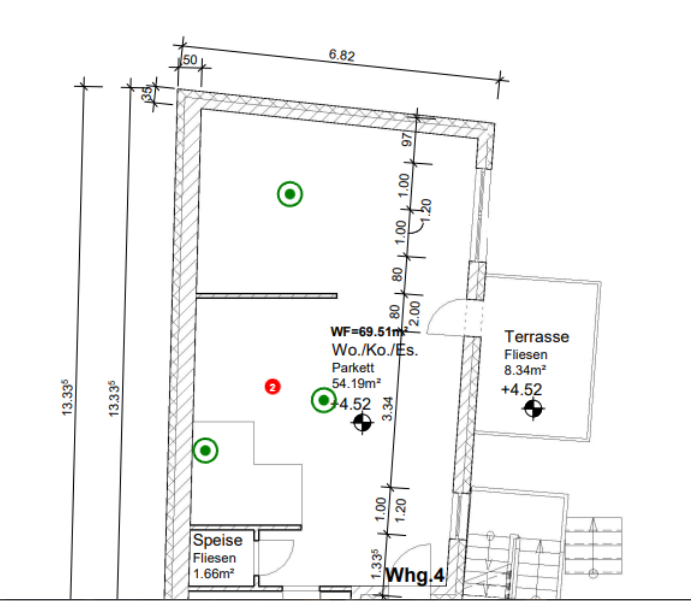
Where informal capture hurts expert reports
Tribunals scrutinise traceability: what was observed, when, and how it ties to the eventual opinion.
- Images stored without floor, room or defect linkage
- Checklists that vary silently between similar properties
- Late additions that lack contemporaneous timestamps
Chain-friendly structured intake
Each observation carries placement, narrative blocks and attachments—exportable in an index your counsel recognises.
Typical expert tasks
Instructions where structured on-site data carries the valuation.
-
Tenancy defects / dwelling condition
Neutral condition at cut-off—for landlord, tenant or court mandate.
-
Construction damage / defect
Cracks, moisture, deviation from plan—room-linked photo documentation.
-
Moisture damage after leak
Extent, affected elements, cause indicators—damage report with media.
-
Valuation on-site component
Condition, fittings, modernisation—input for valuation model.
-
Building insurance claim
Loss extent, reinstatement—evidence for insurer.
-
Purchase price allocation / acquisition
Condition survey before purchase—compare with seller statements.
-
Neighbour dispute / boundary
Visible damage, impacts—documented with place and date.
-
Refurbishment / stock survey
Systematic defect list across floors and trades.
-
Court expert preparation
Gap-free capture—every point traceable with photo and linkage.
-
Second opinion / plausibility check
Own capture independent of first expert—same structure, own media.
-
Mould / health complaints
Findings, measurement points, progression—structured for analysis.
Expert deployment areas
Asset types and client contexts where deep.rent is used.
-
Residential (flat, block, house)
Standard rooms, moisture, cracks—templates for dwelling surveys.
-
Commercial & office property
Plant, areas, lease condition—different checklist structure.
-
New build & acceptance
Snag lists against developer—systematic by trade and room.
-
Listed / heritage stock
Special elements, historic fabric—detailed media per feature.
-
Insurance & legal protection
Fast, defensible damage capture after an event.
-
Banks & financing
Lending valuation: clean condition data as input.
-
Public sector & tendering
Condition before refurbishment—evidence for award and billing.
-
Industrial & special builds
Halls, plant—custom sections and free text for specifics.
What experts gain operationally
-
Calm structure
No promotional copy—just inspection scaffolding.
-
Multiple media per issue
Close-ups plus room context in the same record.
-
Client-ready export
PDF pagination that does not embarrass annexes.
Evidence-first workflows for appraisers and expert surveyors
Search intent here is narrow: field data that survives scrutiny. Marketing fluff about “transforming real estate” does not help when you need defect photos tied to grid references.
Courts and mediators reward contemporaneous discipline. Digital capture with immutable timing cues supports your duty to the tribunal without bloating the written report itself.
Professional user questions
Does this draft the legal conclusion for me?
No—it supplies defensible field data. Narrative opinion and jurisdictional language remain with you.
Can we align to firm-specific checklists?
Author templates per instruction category so juniors inherit senior methodology.
How are media handled for disclosure?
Time linkage and ordering support downstream bundles—confirm retention rules with your compliance officer.