Photos, videos, GPS and scanner for the maritime industry
Capture on-board and vessel conditions quickly, precisely and traceably – for handover, return and appraisals.
Features for boats and yachts
Media, location and scanner directly in the boat protocol – without media discontinuity.
Photos & videos from the boat
Capture hull, deck and engine condition on site with the camera.
REC
GPS & location
Store capture location automatically with the boat protocol.
Barcode & QR scanner
Identify equipment, safety gear and parts quickly.
bH6l-Vab9-QTyg-nYm8
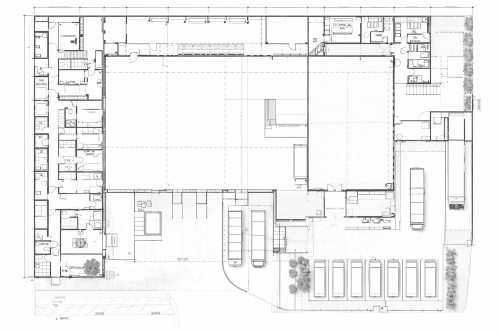
Deck plans and overviews
Locate defects and markers precisely on deck plan documents.
Speech recognition
Capture notes and defect descriptions via voice-to-text at handover.
At handover a scratch was found on the hull port side. The paintwork must be repaired.
REC
The Protocol enables structured, media-based documentation directly during protocol creation on board. Photos and videos are captured in context and assigned unambiguously to the boat protocol.
Structured media assignment
Media can be linked specifically to:
the vessel / yacht
individual decks and areas
equipment, engines and technical systems
documented defects
operating hours and onboard equipment
key and equipment handovers
Each capture is automatically given a timestamp and assigned by the system to the respective boat protocol.
👉 Example: A photo of a scratch on the hull is automatically assigned to the protocol and the corresponding deck.
Image annotation & marking
Photos can be edited and annotated directly within the app:
Placement of markers and arrows to highlight details
Visual marking of damage or particularities
Insertion of text entries directly in the image
Annotations are stored as part of the protocol and are traceable for revision purposes.
Capture and import functions
Multiple captures directly via the integrated camera
Multiple selection from the device gallery
Video recording within the app
Import of existing videos from the gallery
Media integration is seamless and remains fully embedded in the protocol structure.
Video export functions
Videos can be played and downloaded in the original version in the protocol web viewer.
When a video is paused at a point, the still image can be saved as an image file in full resolution.
The entire video can be saved as image files in 1-second segments.
Quality control
Image quality can be configured to optimise storage requirements and upload performance. This allows flexible adaptation to bandwidth, device capability and archiving requirements.
🎯 Photos and videos are captured in context on board, timestamped and embedded in the protocol structure without media discontinuity – for handover, return and evidence.
Automatic location capture at handover and return
Where provided and permitted by the device, GPS location is captured automatically during protocol creation on board or in the harbour and stored with the protocol.
This documents: geographical position of the capture (e.g. marina or berth), time of location capture, assignment to the respective boat protocol. This improves traceability of the process and supports evidence for handover and return.
🎯 Location is captured automatically and assigned to the boat protocol – for greater traceability and evidence at handover and return.
bH6l-Vab9-QTyg-nYm8
An integrated barcode and QR scanner enables direct capture of identification data – for example for safety equipment, life jackets, engines or inventory. IDs can be scanned directly and assigned to the respective boat protocol or object.
QR code stickers and object finder
Boats or equipment items can also be labelled with a QR code sticker. The scanned ID is stored in the system and makes it possible to open the corresponding object immediately via the search function. The scanner thus serves not only for documentation but also as a quick object finder in day-to-day harbour and shipyard operations.
🎯 The scanner captures IDs directly and doubles as a quick object finder in the harbour – no duplicate entry, with immediate assignment to the protocol.
Exact positioning within deck plan documents
Plan documents such as deck plans, berth overviews or floor plans can be integrated into the boat protocol. Within these plans you can: position defects precisely, define decks and areas as markers, insert text notes or symbols.
Marked defects can be linked directly in the protocol as a hyperlink to the respective detailed description. Area markers can also be used in the self-service system to enable structured, location-based interaction. This visual positioning significantly increases the precision of vessel documentation.
🎯 Defects and decks are positioned precisely on the plan and linked to protocol documentation – for precise, traceable vessel documentation.
At handover a scratch was found on the hull port side. The paintwork must be repaired.
Efficient text entry via voice-to-text at handover and return
Text modules, defect descriptions or vessel documentation can be spoken via an integrated voice-to-text function and automatically converted to text.
This enables: fast capture directly during the handover or return, fewer manual entries, more efficient documentation for extensive records. Speech recognition supports a smooth workflow, especially for mobile use on board.
🎯 Speech is converted directly to text – less typing, faster capture during the handover and a smoother workflow on board.
Your benefits from the capture technology
With every inspection you save time, reduce rework and strengthen your documentation.
Less rework, more time for what matters
Photos and videos on site, speech recognition and barcode scanning avoid duplicate entry and follow-up corrections. The effort per protocol goes down – every time you use it.
Clarity for everyone involved
Timestamps, location and linked media make every step traceable. For handovers, tenants or follow-up questions you have the facts at hand – no call-backs or chasing documents.
Legal certainty that grows with you
Every documented inspection strengthens your evidence. Complete protocols with media and metadata meet high standards for proof and compliance – from the first to the last documentation.