
Collateral and lending – conditions documented reliably
For banks that want property inspections and security valuation captured on site in a structured way.
Credit decisions and ongoing finance depend on traceable condition records. deep.rent supports banks with property inspections, security valuation, condition documentation and handover protocols – with photos per area, checklists and PDF for credit files, audit and experts.
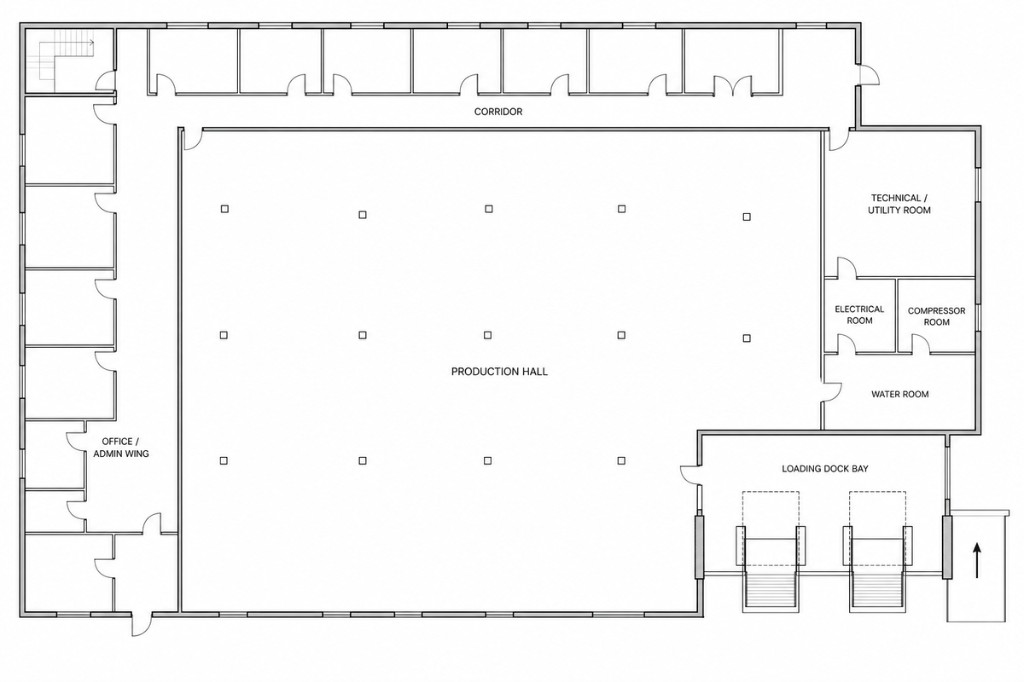
Banks need traceable collateral condition
For real estate, machinery and vehicle finance, documented condition drives lending value, risk and ongoing monitoring. Loose photos, missing walkthrough protocols and media gaps between experts, field staff and credit files weaken decisions. Structured on-site capture creates comparability across assets and time.
Property inspection – capture condition on site
Guided walkthrough with photos per area – exportable as PDF for credit files and experts.



Relevant protocol types for banks
Inspection, valuation and handover – core collateral processes.
-
Property inspection & walkthrough protocol
On-site control with checklist and photos for credit files.
-
Condition protocol & survey template
Structured data for lending value and experts.
-
Collateral handover protocol
Pledge handover, custody or sale – formally documented.
-
Interim check & construction site protocol
Ongoing finance and project monitoring as at date.
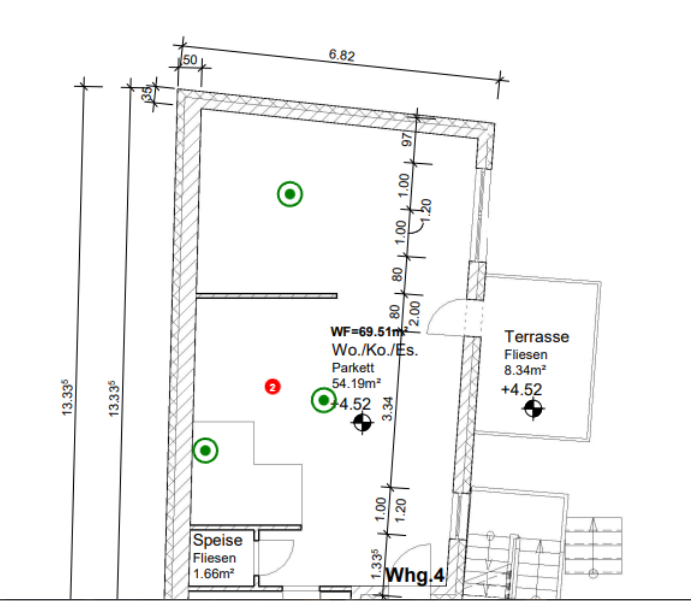
Security valuation: typical gaps without a system
Without consistent capture, comparison fails – especially for interim checks, refurbishment projects and lending value disputes.
- Property inspections without standardised checklists per asset type
- Photos without mapping to rooms, building parts or machine components
- Expert data and internal bank notes in separate systems
Guided capture for credit and audit
Every finding with media, description and location – exportable as PDF for lending value, files and clients.
Typical tasks for banks
Finance processes where property inspections and condition records are decisive.
-
Property inspections
On-site control at application, disbursement or ongoing monitoring – structured capture.
-
Security valuation
Condition survey as the basis for lending value and risk assessment – with media per area.
-
Condition documentation
Photos, checklists and findings for credit files, audit and internal approval – not loose attachments.
-
Handover protocols
Documentation at pledge handover, custody or sale of collateral – with signature and archive.
-
Lending value survey (on site)
Structured field data for experts – rooms, fabric, fittings, defects.
-
Interim inspections
Check during ongoing finance, refurbishment or construction – condition as at date.
-
Machinery & plant finance
Technical assets with component context – condition, maintenance, visible defects documented.
-
Fleet & vehicle finance
Vehicle condition at start and end of finance – exterior, interior, mileage with photos.
-
Project finance & construction monitoring
Site walkthrough, progress, open defects – evidence for disbursement and risk control.
-
Pledge assets
Custody and handover of movable collateral – formally protocolled for legal certainty.
-
Brokerage & agent cooperation
Take over agent documentation: viewing and sales protocols as a supplement to the bank inspection.
Application areas for banks
Finance types and situations where deep.rent documents collateral.
-
Real estate finance / mortgages
Residential and commercial property: walkthrough, fabric and fittings for lending value – often supplemented by agent files from brokerage.
-
Commercial property & project finance
Office, logistics, retail – inspection at acquisition and construction project.
-
Machinery & plant finance
Production plant, CNC, logistics tech – technical condition survey.
-
Fleet & vehicle finance
Cars, vans, commercial vehicles – condition at start and end of finance.
-
Interim checks on live loans
Regular inspection during refurbishment, conversion or economic deterioration.
-
Lending value surveys
On-site part for market and lending value – structured for experts and files.
-
Pledge & custody
Handover and return of movable collateral – protocolled and archived.
-
Refurbishment & construction monitoring
Progress, defects, milestones – evidence for disbursement and risk management.
Benefits for banks
-
Reliable credit files
Condition evidence structured – fewer media gaps between experts and processing.
-
Comparable inspections
Uniform checklists in the field – across asset types and regions.
-
Audit-ready
Media with timestamp and area context – traceable for auditors.
-
Involve experts
PDF and field data – external surveyors deliver on bank structure.
Brokerage & real estate agents
In real estate finance, brokerage often provides the first structured property documentation – alongside the bank inspection.
Banks: digital property inspections and security valuation
Banks look for ways to standardise property inspections, security valuation and condition documentation. Without structured on-site capture, comparison fails for lending value and ongoing finance monitoring.
deep.rent bundles inspection, walkthrough and handover in one flow – for real estate, machinery and vehicle finance with a reliable media chain.
Common questions from banks
Does deep.rent work for property and machinery?
Yes – residential and commercial property, machinery, vehicles and plant. Templates match asset type.
Can experts use the field data?
Yes. Structured capture exports as PDF – basis for lending value surveys.
Do interim checks work?
History per asset – earlier inspections stay comparable in the archive.
Is mobile capture on site possible?
Yes – tablet or phone at inspection, PDF straight to credit files and approval.
How does this relate to real estate brokerage?
Agents often provide the first property documentation during marketing and viewings. Banks can supplement or link these protocols with their own inspection – see the real estate agent link below.